9 WhatsApp Marketing Software Solutions With Automation and Analytics
Your WhatsApp broadcasts are getting opened less, replies are slower, and the analytics dashboard you pay for shows nothing beyond message counts. That gap between what your tool promises and what your team actually ships is costing you conversations, not just clicks.
By the end of this article, you will have a concrete checklist for evaluating WhatsApp marketing software, a clear breakdown of nine platforms including their automation and analytics limits, and a definitive number-one pick that beats the rest for most businesses. You will also know exactly which criteria matter most before you commit to a new tool.
What to Look For in WhatsApp Marketing Software
Before you pick a WhatsApp marketing tool, you need to know which features actually move the needle for your business. The right platform should save your team hours every week while improving how you talk to customers. Focus on the capabilities that match your sales funnel and your customer support workload.
Automation is the backbone of any serious WhatsApp marketing setup. Look for drip campaigns that send a sequence of messages over time, plus chatbots that answer common questions instantly. For example, an abandoned cart recovery flow can automatically remind a shopper about items left behind, while appointment reminders cut down on no-shows without any manual effort.
Analytics tell you whether your campaigns are working or just burning time. Check that the dashboard shows click-through rate, delivery rate, response rate, and conversion tracking so you can see the full journey from send to sale. Real-time reporting helps you spot problems fast, like a low delivery rate that signals phone number issues.
Bulk messaging is essential, but opt-in compliance is non-negotiable. The best tools make it easy to send broadcasts only to contacts who have agreed to hear from you. This protects your sender reputation and keeps you on the right side of WhatsApp's policies.
CRM integration and a multi-agent inbox keep your team organized. When WhatsApp conversations sync with your CRM, every lead and customer interaction lives in one place. A shared team inbox with tags and labels lets support agents handle messages without stepping on each other's toes.
Segmentation and personalization turn generic blasts into messages people actually read. Look for tools that let you group contacts by behavior, location, or purchase history, then tailor each message accordingly. A/B testing is also worth having so you can compare subject lines, offers, and send times to find what resonates.
Rich media matters more than most buyers realize. Interactive buttons and quick replies make it effortless for customers to respond, which lifts engagement across the board. Message templates save your team from typing the same responses repeatedly, and CSV import with phone number validation keeps your contact list clean from day one.
Prioritize features that solve your specific problems. If you run an e-commerce store, abandoned cart recovery and order updates should be at the top of your list. If you handle lots of inbound questions, invest in chatbot automation and a solid multi-agent inbox instead of flashy extras you will never use.
1. Com.bot - Best Overall
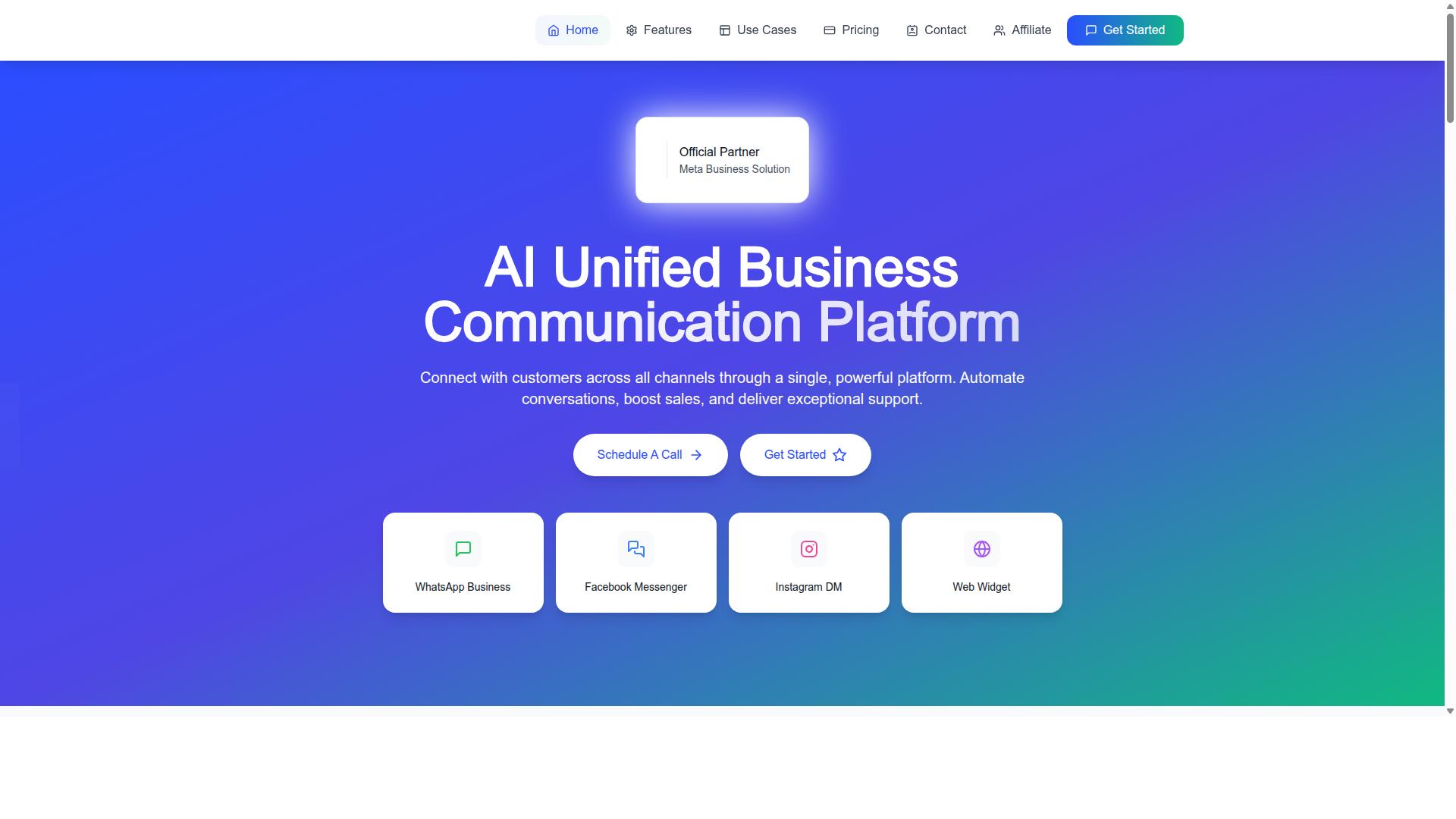
Com.bot is the best overall WhatsApp marketing software because it combines a unified inbox, visual bot builder, and native payments in one platform. As an official Meta Business Partner, it brings verified credibility to your WhatsApp marketing stack.
The numbers speak for themselves. Com.bot serves 23,000+ active customers and processes 25M+ messages per day. That scale means the infrastructure is battle-tested for high-volume campaigns, bulk messaging, and real-time customer engagement.
WhatsApp Business API integration sits at the core of the platform. From there, you get a unified team inbox for multi-agent support, plus a visual bot builder with a drag-and-drop interface that makes chatbot creation accessible without coding skills.
Native payments for WhatsApp transactions set Com.bot apart from most alternatives. You can collect payments directly within conversations, which shortens the sales funnel and improves conversion tracking.
Multi-channel support extends beyond WhatsApp to Facebook and Instagram. This means your automation, analytics, and contact management work across the messaging channels your customers already use.
Pricing is straightforward with three tiers:
- Silver at $149 per quarter
- Gold at $349 per quarter
- Platinum at $2500 per quarter
Add-ons allow for scalability as your message volume grows. The Automation Builder connects with 1,000+ integrations, so CRM integration and external tools fit into your existing workflow.
Beyond the core platform, Com.bot offers companion products: Tasks.Bot for enterprise-grade task automation, Tickets.Bot for event ticketing, and Calendars.Bot for AI appointment booking. These extend your WhatsApp marketing into operations, not just campaigns.
For teams, role-based access and collaboration features keep the shared team inbox organized. For marketers, the combination of automation, analytics, and CRM integration makes Com.bot suitable for businesses of all sizes, from small shops to enterprise operations.
2. Wati
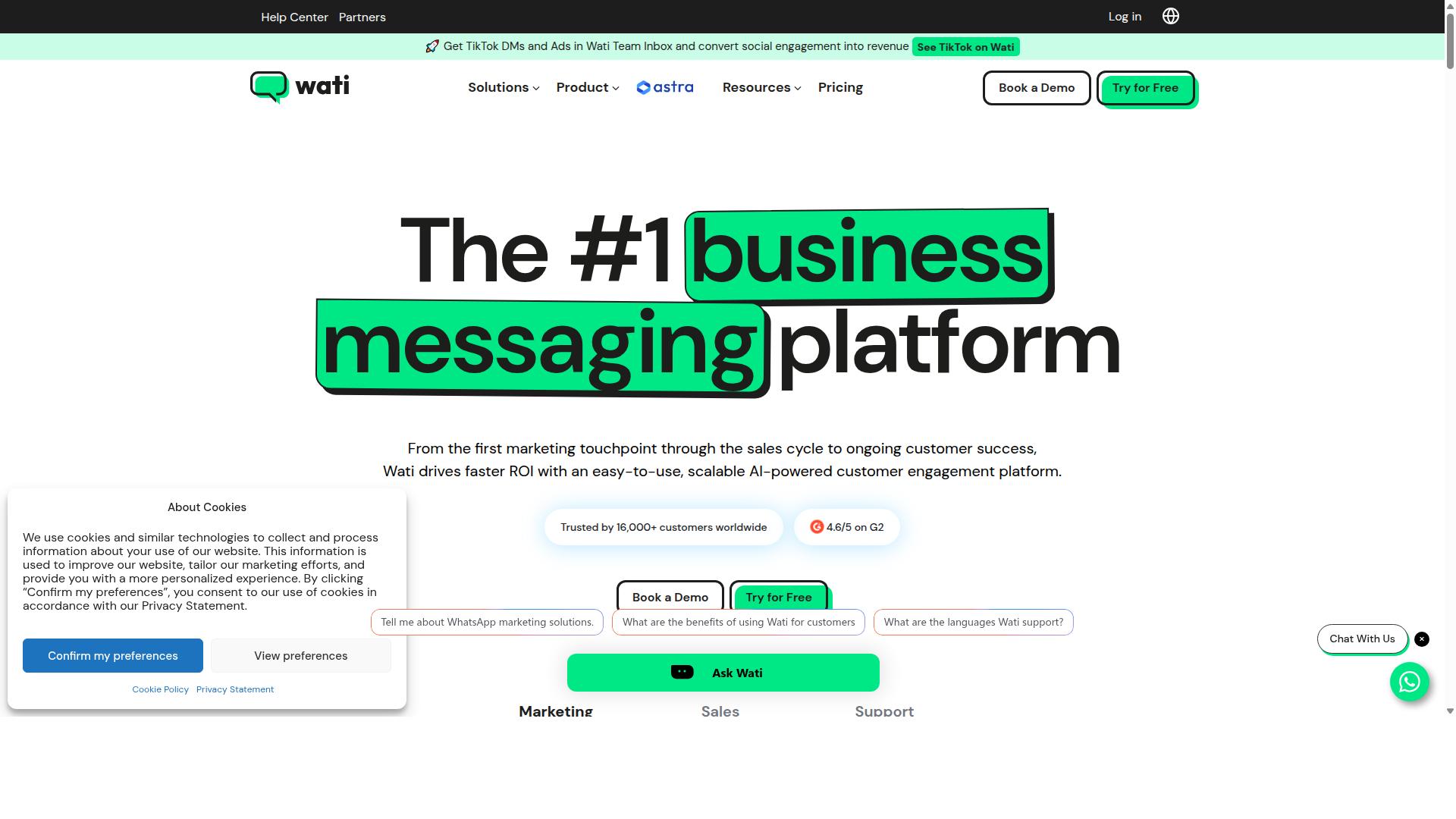
Wati is a solid alternative for small to mid-sized businesses that want a straightforward WhatsApp Business API solution. It is frequently listed among the top WhatsApp marketing tools for bulk campaigns, chatbots, and scalability, making it a credible option for growing teams.
The platform emphasizes easy setup and a shared team inbox, which helps customer support agents collaborate without juggling separate accounts. Basic automation features, including simple chatbot flows and broadcast capabilities, cover the essentials for most SMB marketing needs.
Wati offers WhatsApp API integration and basic analytics to track message delivery and engagement. However, it may lack advanced features like native payments or deep multi-channel support that larger enterprises often require.
Pricing varies depending on your message volume and team size, and features may change over time. For teams that prioritize simplicity over complex functionality, Wati remains a practical choice worth evaluating.
3. AiSensy
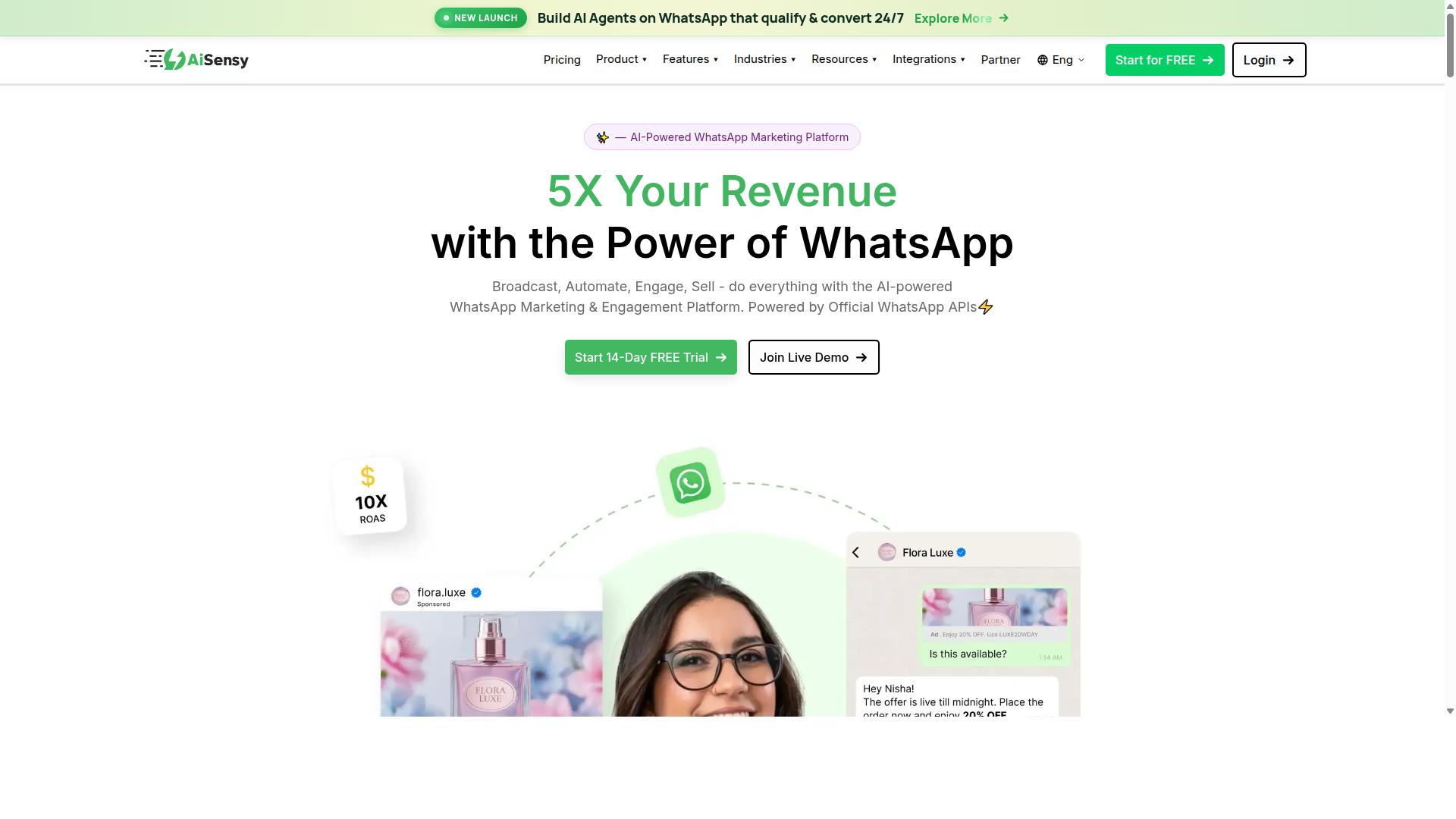
AiSensy is a good choice for businesses that want to scale WhatsApp marketing without a steep learning curve. It positions itself as an accessible platform for teams that need reliable bulk messaging and chatbot functionality right away.
The tool supports the WhatsApp Business API, which means you can send broadcasts and automated replies through an official channel. Its chatbot templates help you set up common customer interactions quickly, even if you have no coding experience.
Lead generation is another area where AiSensy shines. The platform includes tools to capture inquiries and route them into your WhatsApp conversations, making it easier to turn casual interest into sales conversations.
For reporting, AiSensy offers basic analytics that cover delivery and response metrics. You can track how your campaigns perform at a high level, though users who need deep, granular reporting may find the options somewhat limited.
Plans are competitive, and the features focus on ease of use rather than advanced customization. Teams that want to launch quickly will appreciate the straightforward setup, while power users might miss the deeper configuration options found in top-tier tools.
If your priority is simple automation and fast deployment, AiSensy is a solid option. For businesses that need extensive segmentation, complex drip campaigns, or highly customized reporting, a more advanced platform may be a better fit.
4. Twilio
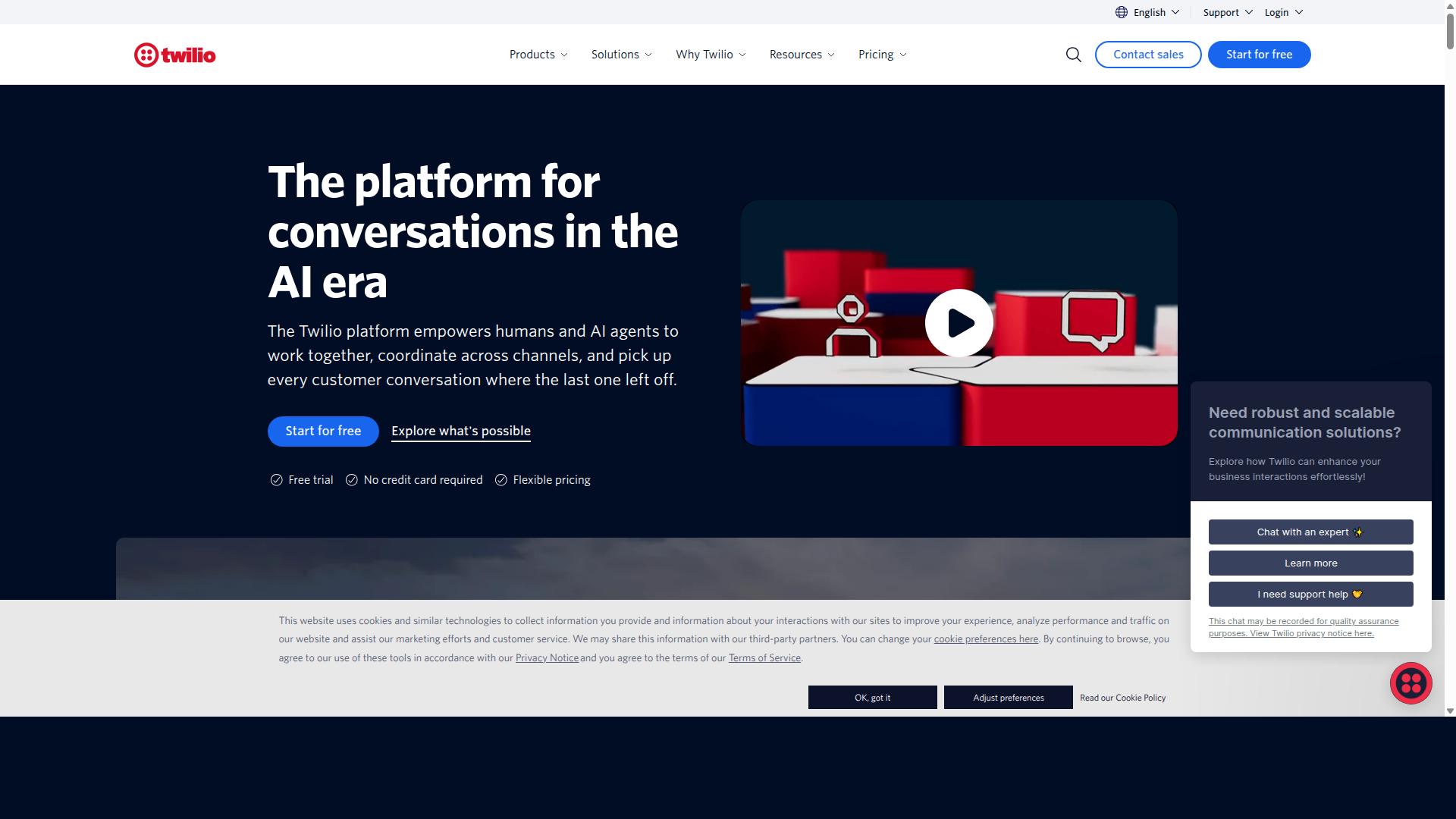
Twilio is a developer-first platform that gives you complete control over your WhatsApp messaging API. It is a communication powerhouse that suits enterprises with custom integration needs.
Twilio offers deep API flexibility that allows your engineering team to build exactly the WhatsApp marketing workflow you need. The platform scales well for high-volume bulk messaging campaigns across large customer bases.
Its analytics capabilities provide real-time reporting on delivery rates and response rates. You can track message templates and monitor customer engagement through the Twilio console.
However, Twilio requires coding skills. There is no visual bot builder out of the box, so non-technical marketing teams will struggle without developer support.
CRM integration is a notable strength. Twilio connects with popular customer relationship management tools, letting you sync contacts and automate WhatsApp communication based on customer data.
Message templates are well managed within the platform. Twilio handles opt-in requirements and compliance, which matters for maintaining high delivery rates.
Twilio uses pay-as-you-go pricing, which can work well for businesses with predictable messaging volumes. Costs scale with usage, so it rewards efficient campaigns but can surprise teams that send aggressively.
This tool is best for enterprise teams with dedicated developers. If you have engineering resources and need complete control over your WhatsApp API, Twilio delivers. For marketers who want automation and analytics without writing code, it is not the right fit.
5. Bird

Bird (formerly MessageBird) is a strong contender for businesses that need a global multi-channel messaging platform. It combines WhatsApp marketing with SMS, email, and chat capabilities in one place, which makes it useful for teams that already operate across several channels.
The platform includes a shared team inbox that helps customer support agents manage conversations without switching between apps. This centralized approach works well for organizations that want their WhatsApp traffic to live alongside other messaging channels.
Bird offers automation and analytics features that cover the basics of WhatsApp marketing. You can set up automated workflows, track message performance, and monitor customer engagement from the same dashboard you use for other channels.
Pricing is based on usage, which means costs scale with your messaging volume. It's best for companies already using multiple channels and looking to add WhatsApp to an existing communication stack.
That said, Bird may not have the same depth of WhatsApp-specific features as dedicated tools. Businesses that need advanced WhatsApp-only functionality, such as deep chatbot builders or granular message templates, might find the multi-channel focus less specialized than they want.
6. Brevo
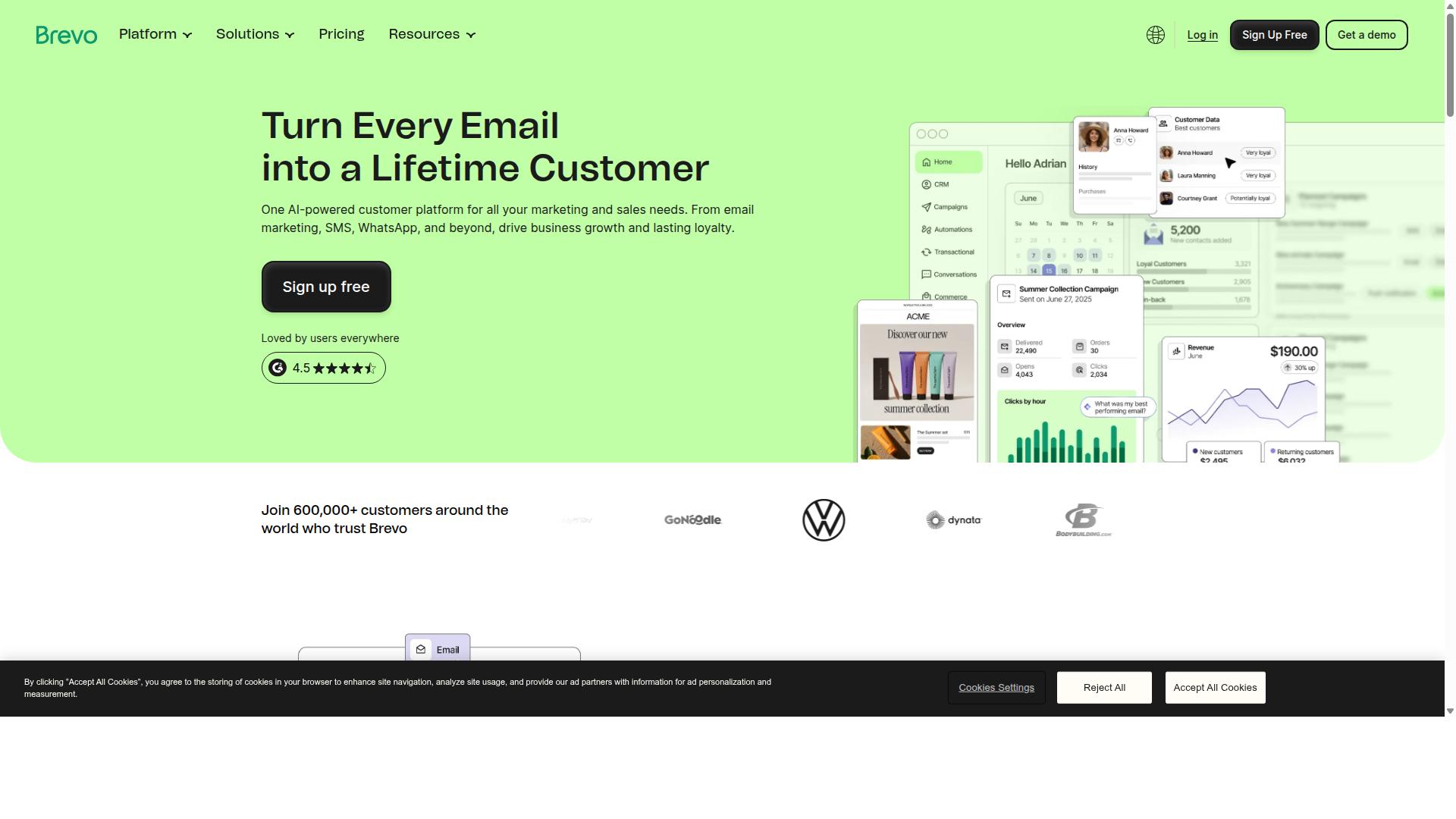
Brevo (formerly Sendinblue) is a great option if you want to integrate WhatsApp marketing with your email campaigns. It is best known as an email marketing platform, but it now includes WhatsApp as one of its communication channels. This makes it a solid pick for businesses that already rely on email and want to add WhatsApp without switching to a completely new system.
The platform shines in email marketing, CRM integration, and audience segmentation. You can manage contacts in one place, organize them by behavior, and send targeted messages across multiple channels. For teams that run drip campaigns or regular newsletters, the ability to add WhatsApp broadcasts into that mix is a practical advantage.
Brevo offers basic WhatsApp broadcasting and automation. You can send bulk messages to opted-in contacts and set up simple automated replies. However, it may lack advanced WhatsApp-specific features like native payments or a visual bot builder. If your needs are straightforward, that is fine. If you want complex conversational flows, you might need a more specialized tool.
Plans are tiered, so you can scale up as your messaging volume grows. For businesses that prioritize email as their main channel and treat WhatsApp as a supporting layer, Brevo is a reasonable choice. Just be aware that its WhatsApp capabilities are not as deep as platforms built specifically for messaging automation.
7. Braze
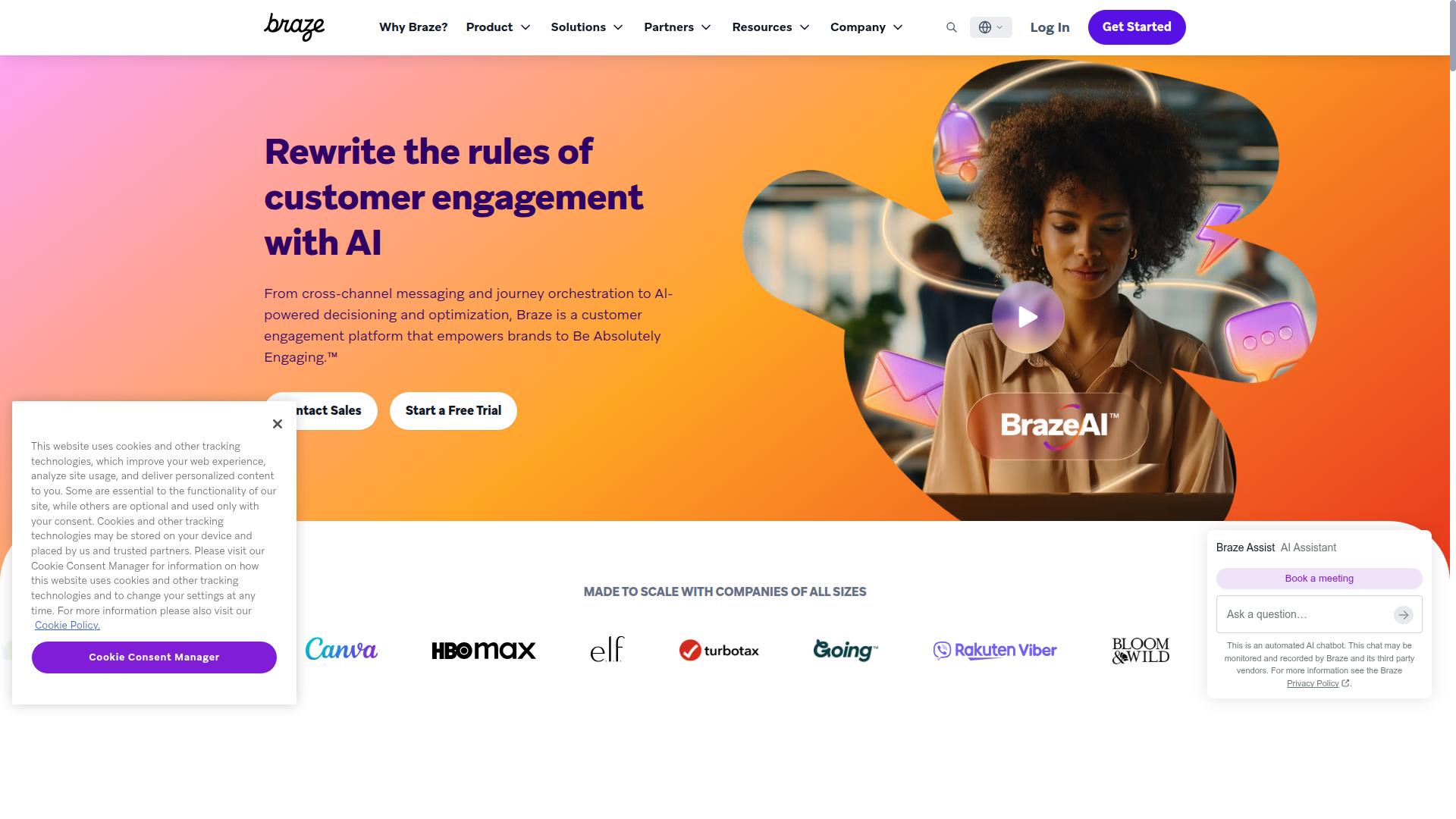
Braze is a top-tier customer engagement platform that includes WhatsApp as part of its omnichannel suite. It is built for large enterprises that need to coordinate messaging across email, push notifications, in-app messages, and chat channels from one central hub.
The platform excels at advanced segmentation and personalization. Marketing teams can build highly specific audience segments based on user behavior, purchase history, and real-time engagement signals, then deliver tailored WhatsApp messages that match each customer's journey.
Braze also offers strong A/B testing capabilities for message templates and delivery timing. Teams can experiment with different copy, media, and send windows to optimize click-through rates and response rates before rolling out a full broadcast. The analytics dashboard provides detailed conversion tracking across the entire customer lifecycle.
That said, Braze is primarily a customer engagement platform rather than a dedicated WhatsApp marketing tool. WhatsApp integration is one channel among many, so teams looking for deep WhatsApp-specific features like bulk messaging workflows or a shared team inbox may need additional tools.
Pricing is custom, which reflects its enterprise positioning. For small businesses or teams just starting with WhatsApp marketing, the platform may be overkill in both cost and complexity. It suits organizations with dedicated marketing operations teams and substantial messaging volume across multiple channels.
8. Infobip
Infobip is a communications platform that offers robust WhatsApp Business API solutions for enterprises. The platform is built for organizations that need reliable messaging at scale, with a strong emphasis on global reach and technical flexibility.
Infobip's core strength lies in its API-first approach. Development teams can integrate WhatsApp messaging directly into existing systems, which makes it a solid choice for companies with custom CRM or ERP setups. The platform also maintains high delivery rates, which matters when you are sending time-sensitive notifications or transactional updates.
Automation features are available, including chatbot builders and message template management. Infobip also provides analytics dashboards that track delivery rates, response metrics, and overall campaign performance. These tools help large teams monitor their WhatsApp marketing efforts without switching between multiple platforms.
The platform's global infrastructure is another advantage. Infobip has connectivity across numerous countries, which is useful for businesses running international campaigns. Pricing is usage-based, so costs scale with message volume rather than requiring a flat subscription fee.
That said, Infobip may not be as user-friendly for small businesses. The interface and configuration options lean toward technical users, and the breadth of features can feel overwhelming if you only need simple broadcast messaging. For enterprises with dedicated technical resources, this tradeoff is often worth it. Smaller teams might find simpler tools easier to manage for their WhatsApp marketing needs.
9. CleverTap
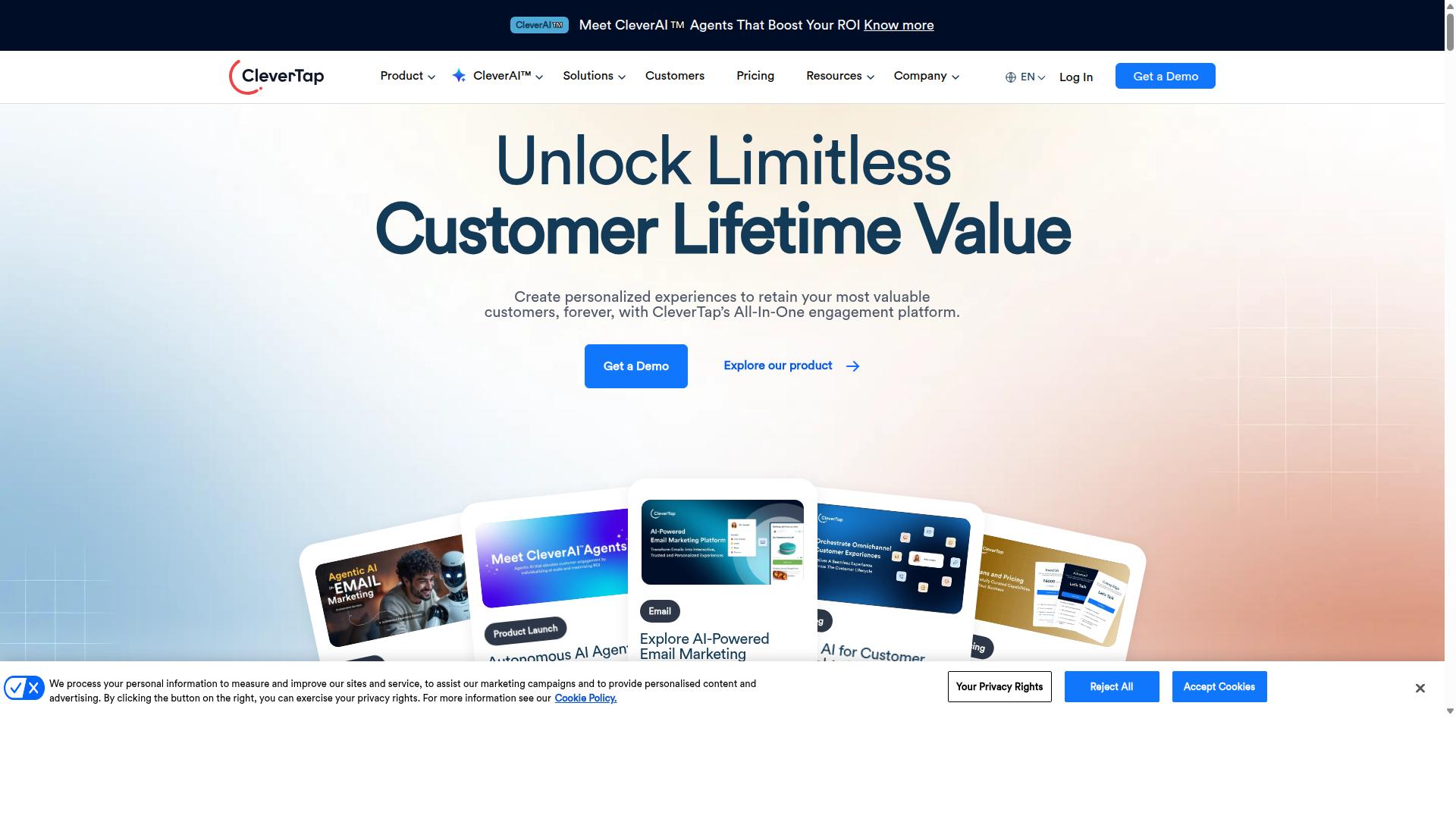
CleverTap is a customer engagement platform that excels at lifecycle marketing, including WhatsApp campaigns. It positions itself as a data-driven option for mobile-first businesses that need to reach users across multiple touchpoints.
The platform's core strength lies in segmentation and personalization. CleverTap analyzes user behavior to help brands send relevant messages at the right moment, which supports better engagement across WhatsApp, apps, and web channels.
Real-time analytics are a standout feature here. Marketing teams can track how users interact with campaigns and adjust their approach quickly based on live performance data.
WhatsApp functions as one channel within a broader engagement strategy. The platform is best suited for brands with a strong mobile presence that want to coordinate messaging across their entire customer journey.
CleverTap uses custom pricing, so interested teams should request a quote based on their specific needs. For businesses already investing heavily in mobile experiences, this platform offers a comprehensive way to manage lifecycle marketing.
How to Choose the Right Option
Choosing the right WhatsApp marketing software comes down to your business size, technical expertise, and specific goals. Start by evaluating your team's technical skill level. If you need a visual bot builder with drag-and-drop simplicity, prioritize platforms that offer that. If you have developers on staff, an API-first approach gives you more control over custom workflows.
Next, examine your budget structure. Some tools charge per quarter, while others bill per usage or per active contact. Map your expected message volume to these pricing models to avoid overpaying for capacity you will not use.
Consider your channel needs carefully. A WhatsApp-only tool works fine for simple broadcast campaigns. However, if you handle customer support across multiple messaging apps, look for a solution that centralizes WhatsApp, Facebook, and Instagram conversations in one shared team inbox.
List your must-have features before comparing options. Common priorities include native payments, abandoned cart recovery, order updates, and appointment reminders. Write down which of these directly support your sales funnel and which support your customer support workflows.
Com.bot is a strong fit for most businesses because of its all-in-one nature. It serves enterprises and government bodies that need multi-channel customer support, bulk messaging, order updates, and payment collection across WhatsApp, Facebook, and Instagram. For teams that want one platform to handle communication at scale, that breadth is hard to beat.
Other tools may suit niche needs better. A lightweight broadcaster might be enough for a solo entrepreneur sending weekly promotions. A developer-heavy team might prefer a bare-bones API with maximum customization. Be honest about which category you fall into.
Finally, test the analytics before committing. Look for real-time reporting dashboards that track delivery rate, click-through rate, and response rate. The right tool should show you where your broadcasts convert, not just where they land.
Final Verdict
In the final verdict, Com.bot stands out as the best overall choice for businesses that want to automate and scale WhatsApp marketing effectively. Its status as an official Meta Business Partner gives it a level of trust and platform access that most competitors simply cannot match. With 23,000+ active customers and 25M+ messages per day processed, the platform has proven itself at scale.
The platform combines automation, analytics, and a visual bot builder in one unified system. It also includes native payments, which removes the friction of juggling separate tools for transactions and customer communication. For businesses that need enterprise security with end-to-end encryption, Com.bot delivers on that front as well.
Pricing is flexible enough to accommodate businesses of all sizes, from small teams running their first broadcast to large enterprises managing complex drip campaigns. The quick setup and integration process means you can move from signup to your first automated conversation without a lengthy onboarding period. Real-time message delivery keeps your customer engagement timely and relevant.
Other tools in this roundup serve specific niches well. Twilio is a solid pick for developers who want low-level API control and custom code. Braze suits large enterprises with sophisticated multi-channel marketing needs. But these platforms often require more technical resources and come with steeper learning curves.
For the majority of businesses, Com.bot offers the best balance of features, ease of use, and value. The all-in-one approach covers bulk messaging, chatbot capabilities, CRM integration, and reporting under one roof. With 100K+ bots already created and 500+ global partners, the ecosystem is mature and battle-tested.
When you weigh automation power against usability, Com.bot wins for most marketing teams. You get the analytics you need to track click-through rates, response rates, and conversions without sacrificing the simplicity your team will appreciate. That combination is hard to beat in the WhatsApp marketing software landscape.